Learn about the signs of gear oil degradation, the right time to change transmission fluid, and the factors that affect the service life of the lubricant.
Comprehensive Article Table of Contents
- What is gear oil and what role does it play in transmission performance?
- How is the appropriate time to change gear oil determined?
- The most important signs of gear oil quality degradation
- Factors affecting the useful life of transmission oil
- The difference between gear oil and engine oil and other lubricants
- Consequences of delaying gear oil change
- Specialized tips for selecting and maintaining gear oil
1. What is gear oil and what role does it play in transmission performance?
Short answer: Gear oil is a specialized lubricant designed to reduce friction, protect gears, transfer heat, and prevent wear of transmission components. The time to change this oil depends on the type of transmission, the lubricant's technical specifications, driving conditions, and the manufacturer's recommendation, and its condition should be checked before a noticeable drop in oil performance occurs.
The transmission is one of the important assemblies in the power transmission system of vehicles and many industrial machines. This assembly is responsible for adjusting torque and rotational speed according to working conditions. Gears, bearings, shafts, and other moving parts of the transmission are subjected to pressure and mechanical stresses during operation. In such conditions, the presence of a suitable lubricant to reduce direct contact between metal surfaces and control wear is very important.
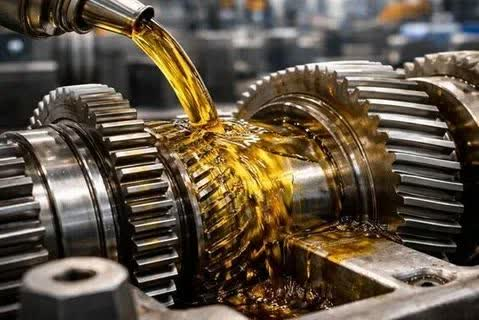
Gear oil or transmission oil helps reduce friction and dissipate part of the generated heat by creating a lubricating layer between parts. This oil can also protect parts against corrosion and, if it contains suitable additives, increase the ability to withstand high pressures.
However, gear oil does not retain its original properties forever. Increasing temperature, contamination, moisture ingress, mechanical shearing, and oxidation can gradually reduce the lubricant's quality. Therefore, knowing the appropriate time to change gear oil is essential to reduce repair costs and increase the useful life of equipment.
Main functions of gear oil
- Friction reduction: Creating a protective layer between moving surfaces and helping reduce energy loss.
- Wear protection: Reducing damage caused by gear contact and mechanical pressures.
- Heat control: Transferring part of the heat generated at contact points to other parts of the assembly.
- Corrosion protection: Helping prevent rust and chemical damage to parts.
- Withstanding high pressures: Helping protect tooth surfaces under severe loading conditions, if using oil with suitable additives.
- Contributing to stable performance: Maintaining suitable lubrication conditions and reducing the possibility of premature part failure.
Table of specifications and selection criteria for gear oil
To select the right gear oil, merely paying attention to the product name or its viscosity is not enough. Technical specifications must match the transmission design and the manufacturer's requirements. The following table shows the most important evaluation criteria for this lubricant.
| Characteristic |
Technical importance |
Selection tip |
| SAE viscosity grade |
Indicates the viscosity class of the gear oil |
Select according to the manufacturer's instructions. |
| API performance category |
Specifies the performance level in defined applications |
Check the category required by the transmission. |
| Base oil type |
Affects thermal stability, oxidation, and lubricant performance |
Choose mineral, semi-synthetic, or synthetic oil appropriate for the application. |
| Additive package |
Helps protect against wear, oxidation, and pressure |
Compatibility of additives with transmission materials and design is essential. |
| Manufacturer approval |
Indicates compliance with specific technical requirements |
Check the approval or specifications requested in the technical manual. |
Note: The SAE viscosity grade in gear oil is not interpreted the same as in engine oil. For example, SAE 75W-90 is a common gear oil grade; however, its suitability for a specific transmission is determined only by checking the manufacturer's requirements.
2. How is the appropriate time to change gear oil determined?
Short answer: The time to change gear oil is not a fixed number for all vehicles and transmissions. The vehicle or equipment manual, transmission type, oil type, and operating conditions are the main criteria for determining the service interval. Heavy traffic driving, carrying heavy loads, high temperatures, and continuous industrial activity may necessitate earlier inspection or replacement of the lubricant.
One of the common mistakes in vehicle maintenance is determining the gear oil change time solely based on a general mileage number. Whereas manual transmissions, automatic transmissions, differentials, and industrial transmissions may require different lubricants and completely separate maintenance schedules.
For example, in some vehicles, the manufacturer specifies a specific interval for transmission oil change; in some models, the service interval depends on driving conditions and the maintenance schedule. Therefore, recommendations such as changing gear oil at a specific mileage for all vehicles, without considering the model and transmission type, cannot be generalized.
What factors determine the gear oil change interval?
- Transmission type: The internal structure and lubrication requirements of manual, automatic, CVT, and dual-clutch transmissions are different.
- Manufacturer's recommendation: The time or mileage interval stated in the manual is the main starting point for the service schedule.
- Driving conditions: Heavy traffic, continuous stop-and-go, uphill driving, and carrying loads can increase working pressure.
- Operating temperature: Excessive high temperature accelerates the oxidation process and degradation of some oil properties.
- System health: Leakage, water ingress or contamination, and the presence of metal shavings can indicate the need for immediate inspection.
- Lubricant type: The formulation and performance level of the oil affect its stability; however, being synthetic alone is not a license to extend the change interval.
Table for determining service time
| Operating condition |
Recommended action |
| Normal vehicle use |
Follow the manufacturer's recommended service schedule |
| Heavy traffic or continuous load carrying |
Review the maintenance schedule under severe conditions and possibly reduce the service interval according to instructions |
| Leakage or low oil level |
Immediately investigate the cause of the leak and the oil level; merely adding oil is not enough. |
| Change in transmission sound or difficulty shifting gears |
Technical inspection of the transmission and lubricant condition; these symptoms are not necessarily caused only by the oil. |
| Industrial machinery transmission |
Set the schedule based on manufacturer's recommendation, operating hours, temperature, and oil monitoring results |
In industrial applications, checking the oil condition through sampling and tests such as viscosity measurement, contamination check, water content, and oxidation indicators can help make more accurate decisions. In sensitive equipment or continuous production lines, this method sometimes provides more useful information than purely calendar-based replacement.
3. The most important signs of gear oil quality degradation
Short answer: Unusual color or smell changes in the oil, presence of metal particles, contamination with water, increased transmission temperature, leakage, and changes in gear performance are signs that should be investigated. None of these signs alone determine the exact time for replacement; however, observing them can indicate the necessity of specialized inspection of the lubricant and transmission.
Gear oil may gradually be exposed to oxidation, contamination, and mechanical stresses during operation. These processes are not always accompanied by obvious visual changes. Sometimes oil that still looks relatively normal has lost some of its properties; conversely, darkening of the oil in some applications does not necessarily mean the end of its useful life.
Sign one: Unusual color and appearance change of the oil
Noticeable color change, cloudiness, or observation of deposits can indicate contamination, oxidation, or entry of foreign materials. Of course, the initial color of oils varies based on the type of base oil and additives; therefore, it is better to compare the sample's condition with fresh oil of the same product and not determine the result solely based on visual color assessment.
Sign two: Burning smell or unusual odor
A burning smell may be related to high operating temperature, thermal degradation, or unusual conditions inside the transmission. In such a situation, merely changing the oil without investigating the cause of temperature increase, overload, or technical fault may not solve the main problem.
Sign three: Presence of shavings or metal particles
The presence of noticeable metal particles in the oil sample can indicate wear of internal parts, damage to gears, or bearing failure. A small amount of very fine particles may be seen in some operating conditions, but coarse particles, unusual shavings, or an increasing trend of particles in successive samplings require specialized investigation.
Sign four: Increased transmission temperature
Unusual temperature increase can be caused by improper oil viscosity, inadequate lubrication, excessive load, cooling system malfunction, or mechanical defect. Since temperature has a direct effect on lubricant stability, the cause of the heat increase should be investigated and continued operation under dangerous conditions should be avoided.
Sign five: Difficulty shifting gears or noise
Hard gear engagement, whining noise, vibration, or irregular performance can be related to improper oil level or selection of incompatible lubricant. However, component wear, synchronizer failure, clutch problems, and control system issues are also possible causes. Definitive diagnosis should be made after technical inspection.
Sign six: Foaming, cloudiness, or contamination with water
Persistent foam can be caused by air ingress, contamination, or incompatibility of the oil with working conditions. A milky or cloudy appearance may also indicate the presence of water or emulsification of the oil. Water ingress into the transmission is particularly important because it can increase the possibility of corrosion and decrease lubricant performance.
Sign seven: Leakage and low oil level
Leakage from seals, gaskets, connections, or the transmission housing may bring the oil level to an unsuitable point. Lack of lubricant increases the risk of direct contact between parts and temperature rise. In this situation, the cause of the leak and the oil level should be checked according to the manufacturer's specified method.
Technical warning
If the gear oil has a strong burning smell, coarse metal particles are seen, water has entered the transmission, or the device temperature and noise have increased severely, continuing operation can worsen the damage. Stop the equipment safely according to instructions if there is danger, and investigate the cause of the problem before changing the oil or restarting.
4. Factors affecting the useful life of transmission oil
Short answer: Operating temperature, load severity, base oil type, additive quality, contamination level, and storage conditions affect the useful life of transmission oil. The higher the thermal and mechanical stress or the more contamination and moisture enter the system, the more likely the lubricant quality will decrease; therefore, the service schedule should be aligned with actual operating conditions.
The useful life of gear oil does not depend only on its duration of presence in the transmission. Two identical devices may have different conditions for oil maintenance due to differences in load, ambient temperature, operating hours, and sealing condition.
- Heat and oxidation: Increasing oil temperature usually raises the rate of oxidation reactions and may lead to deposit formation and viscosity changes.
- Pressure and mechanical load: Transferring high torque and experiencing mechanical shocks can create harsher conditions for the lubricant film.
- Entry of dust and particles: Solid contamination can cause abrasive wear on contact surfaces.
- Water ingress: Water can disrupt the performance of additives and increase the possibility of rust and surface degradation.
- Incorrect viscosity selection: Oil that is too thin or too thick, if incompatible with the device design, may disrupt proper lubrication and performance.
- Mixing incompatible oils: Combining products with different formulations or requirements may alter the final properties of the lubricant.
- Quality of sealing and maintenance: The health of seals, caps, filters, and breather equipment of the transmission is effective in preventing contamination.
How can we better manage the useful life of gear oil?
For economical lubricant management, first the type and specifications of the oil required by the device must be determined. Then, by recording the change time, operating hours, operating temperature, load level, and inspection results, the trend of oil condition changes can be tracked. In sensitive equipment, periodic oil sample testing can also be effective in early detection of contamination or quality degradation.
The important point is that extending the change interval should be based on the manufacturer's recommendation or valid technical evidence. Merely a higher price of an oil or the phrase "long life" on the packaging is not enough to change the maintenance schedule.
5. The difference between gear oil and engine oil and other lubricants
Short answer: Gear oil, engine oil, hydraulic oil, and industrial oils are designed for different working conditions. Gear oil focuses on protecting gears and withstanding contact loads; engine oil is formulated for lubricating engine components and controlling combustion-related contaminants. These products are not substitutes for each other without manufacturer approval.
| Lubricant type |
Main application |
Important note |
| Gear oil |
Transmissions and gear assemblies |
Must be compatible with load requirements, viscosity, and internal materials of the assembly. |
| Engine oil |
Gasoline and diesel engines |
Engine performance standards and manufacturer requirements are determining factors. |
| Hydraulic oil |
Power transmission in hydraulic systems |
Properties such as anti-wear behavior, air release, and suitable stability are important. |
| Compressor oil |
Lubrication of gas compression equipment |
Must match the compressor type and its thermal conditions. |
| Heat transfer oil |
Heat transfer in circuits designed for this purpose |
Thermal stability and operating temperature range are important selection criteria. |
| Turbine oil |
Turbine systems and related equipment |
Oxidation stability, water separation, and foam control are important. |
There are also important differences within the family of gear oils. The oil suitable for a manual transmission may not be suitable for an automatic transmission. Also, some differentials require special oils with specific friction characteristics. As a result, the general title "transmission oil" is not enough to select a product.
In the field of industrial oil and industrial lubricant production, the same principle applies: the product must be compatible with the equipment design, loading conditions, temperature, construction materials, and required standards. The right choice of lubricant can help reduce wear, increase reliability, and manage maintenance costs.
6. Consequences of delaying gear oil change
Short answer: Unjustified delay in changing gear oil can lead to increased wear, deposit formation, reduced lubrication quality, and increased risk of component failure. The final consequences depend on the oil condition, transmission type, and operating severity. In vehicles and industrial machinery, the cost of prevention and monitoring should usually be evaluated alongside the potential cost of heavy repairs.
When the lubricant no longer has the required performance due to oxidation, contamination, or additive degradation, its ability to protect contact surfaces may decrease. In such conditions, the damage is not limited to the oil, and expensive transmission components may also be affected.
- Increased gear wear: Decreased lubrication quality can increase the possibility of damage to tooth surfaces.
- Bearing damage: Improper lubrication and particle contamination may reduce bearing life.
- Increased operating temperature: Improper lubrication conditions can contribute to increased friction and intensified thermal stress.
- Reduced equipment reliability: Transmission failure may cause vehicle, production line, or machinery stoppage.
- Increased maintenance costs: Major repairs, parts replacement, and work stoppage may cost more than timely service.
Economic tip for industrial units
To estimate the true cost of lubricant, do not consider only the price per liter. Replacement cost, oil consumption volume, stoppage frequency, labor cost, waste amount, and equipment failure risk should also be calculated. This approach helps select a more economical industrial gear oil and industrial machinery oil.
7. Specialized tips for selecting and maintaining gear oil
Short answer: Gear oil selection should be based on the exact equipment specifications, viscosity grade, performance level, manufacturer approvals, and actual operating conditions. For better maintenance, contamination and moisture ingress should be prevented, leaks fixed, and service records kept. In sensitive equipment, oil condition monitoring can make decision-making more accurate.
Checklist before buying gear oil
- ☐ Determine the exact model and type of transmission or device.
- ☐ Check the manufacturer's recommended viscosity grade.
- ☐ Match the required performance level and approvals with the product specifications.
- ☐ Consider temperature conditions, load level, and operating hours.
- ☐ Check oil compatibility with seals, internal materials, and friction requirements of the equipment.
- ☐ Evaluate product authenticity, batch number, packaging, and stated technical information.
- ☐ Avoid mixing different oils without technical approval.
Maintenance and replacement checklist
- ☐ Check the oil level according to the manufacturer's specified safe method and conditions.
- ☐ Inspect the transmission body, connections, and seals for leaks.
- ☐ Pay attention to unusual noises, temperature changes, and changes in device performance.
- ☐ Use clean containers and suitable equipment for transferring and storing oil.
- ☐ Record the service date, oil type, and consumption amount.
- ☐ If contamination or unusual particles are observed, investigate the cause.
- ☐ Manage used oil according to environmental regulations and relevant rules.
The role of choosing a reputable lubricant manufacturer
For businesses that need industrial gear oil, diesel engine oil, industrial hydraulic oil, and other lubricants, checking the manufacturer's technical information is very important. Transparency in product specifications, provision of technical and safety data sheets, product traceability, and specialized support can make the selection process more reliable.
Jahan Roghan Noor Samen, focusing on the production and supply of engine oils and lubricants, including the Reven Bar brand, operates in this field. To select a product suitable for your needs, the product's technical specifications and the requirements of the intended device must be matched. Merely mentioning a brand name is not a substitute for checking the necessary standards and approvals.

For communication and purchase consultation, contact the Jahan Roghan Noor Samen team.
Contact number 09123119784
Technical characteristics of high-quality gear oil
Short answer: Suitable gear oil must have viscosity appropriate for working conditions, sufficient thermal and oxidation stability, wear protection capability, and compatibility with internal transmission parts. The actual quality of the lubricant is determined by the conformity of its specifications and approvals with the manufacturer's requirements, not merely by price or product appearance.
Transmission performance depends on the quality of lubrication between gears, bearings, and other moving components. Selecting gear oil designed for the device's working conditions can help reduce friction, control wear, and increase equipment reliability. This issue is important both in passenger and heavy vehicles and in transmissions used in production lines.
When evaluating gear oil quality, a set of characteristics should be considered. A lubricant may perform well against high pressures but may not be suitable for the intended transmission in terms of viscosity or compatibility with internal materials. Therefore, no single characteristic alone is a complete criterion for product selection.
1. Viscosity stability under working conditions
Viscosity indicates the fluid's resistance to flow and is one of the main specifications of gear oil. The oil must be able to create a suitable lubricating layer within the designed temperature range. Improper viscosity may cause increased friction, inadequate lubrication, or difficulty in assembly operation.
When selecting vehicle gear oil and industrial gear oil, the viscosity grade should be chosen according to the manufacturer's instructions. For example, SAE 75W-90 oil is used in some transmissions and differentials, but this does not mean it is suitable for all equipment.
2. Resistance to pressure and wear
Gears, especially in heavy equipment and industrial power transmission systems, may operate under considerable contact pressures. Some gear oils are formulated with extreme pressure (EP) additive packages to help protect metal surfaces under specified conditions.
The use of oil with EP additives must comply with the manufacturer's recommendation, as some assemblies contain yellow metals or specific friction components that require oil with compatible characteristics.
3. Thermal and oxidation stability
Gear oil is exposed to heat and oxygen during operation. Thermal stability and resistance to oxidation help maintain the lubricant's properties during operation. Loss of these properties may lead to viscosity changes, deposit formation, and reduced oil performance.
In machines that operate for long hours or under heavy loads, checking oil stability is more important. However, extending the change interval should be based on the manufacturer's requirements and technical evidence.
4. Protection against corrosion and rust
Moisture and contamination can create conditions for corrosion of metal parts. Suitable gear oil should help protect surfaces against corrosion using a compatible base oil and additives. Preventing water ingress and controlling the condition of seals is also essential alongside selecting the right oil.
5. Compatibility with seals and internal materials
The chemical composition of the lubricant must be compatible with seals, metals, and other materials used in the transmission. Selecting an unsuitable oil can affect seal performance or cause problems in assembly operation. Checking product approvals and technical information is very important in this regard.
Benefits of using the right gear oil
Short answer: Choosing the right gear oil can help reduce wear, maintain lubrication performance, control operating temperature, and reduce the possibility of premature transmission failure. In industrial applications, these benefits may lead to reduced unexpected stoppages and better management of maintenance costs; of course, the final result also depends on the equipment condition and full compliance with the service schedule.
- Helping increase part life: Reducing direct surface contact and controlling wear can improve the useful life of gears and bearings.
- Maintaining performance efficiency: Proper lubrication helps reduce friction-related losses.
- Heat management: Transferring part of the generated heat helps control assembly temperature.
- Reducing failure probability: Using compatible oil and timely replacement is one of the important preventive measures in transmission maintenance.
- Reducing repair costs: Preventing abnormal wear can reduce the likelihood of costly repairs.
- Improving service planning: Selecting lubricant suitable for the application and recording its history makes maintenance management easier.
Specialized tip for industrial units
The true cost of lubricant is not limited to its purchase price. Consumption rate, replacement frequency, labor cost, production line stoppage probability, and equipment repair cost should also be considered in the economic evaluation. Choosing the right oil can be part of a preventive maintenance strategy and increase equipment reliability.
Comparison table of characteristics and value of gear oil selection
Gear oils are categorized based on base oil type, viscosity grade, additive package, and performance level. The following table shows the differences between some common options from a selection and maintenance perspective. This comparison is general and does not replace checking the technical specifications of specific products.
| Comparison criterion |
Mineral gear oil |
Semi-synthetic gear oil |
Synthetic gear oil |
| Base oil type |
Mainly mineral |
Combination of selected bases |
Synthetic base suitable for the formulation |
| Behavior at different temperatures |
Depends on base quality and formulation |
Depends on the combination of bases |
In many formulations, has better stability |
| Oxidation resistance |
Depends on quality and additives |
Depends on formulation |
In many advanced products, it is higher |
| Purchase cost |
Often more economical |
Usually mid-range |
Often higher |
| Suitable application |
Equipment compatible with product specifications |
Applications compatible with technical specifications |
Equipment with approval and matching requirement |
| Final selection criterion |
Compliance with manufacturer's instructions |
Compliance with manufacturer's instructions |
Compliance with manufacturer's instructions |
Note: The terms mineral, semi-synthetic, and synthetic alone do not determine the performance level or change interval. Two products with the same base may have different performance due to differences in additives and technical specifications.
How to evaluate the purchase value of gear oil?
Short answer: The purchase value of gear oil is appropriate when the product matches the equipment requirements and, alongside price, maintenance cost and failure risk are also considered. Buying cheaper oil without checking specifications or choosing more expensive oil without technical need is not necessarily the right economic decision.
To evaluate the economics of a lubricant, it is better to examine three issues simultaneously: technical conformity, consumption cost, and reliability. A product that does not meet the device's required specifications is not a suitable choice even at a low price. On the other hand, using oil more advanced than the equipment's actual need, without technical justification, may create unnecessary costs.
- Extract the required technical specifications and approvals from the device manual.
- Review products that meet the main requirements.
- Compare the unit price, required volume, and service cost.
- If equipment stoppage is highly important, also assess the potential cost of failure and production stoppage.
- Check technical and safety information and product traceability before purchase.
Choosing gear oil from Jahan Roghan Noor Samen
Selection guide: To choose the right lubricant, first determine the equipment type, required oil specifications, and operating conditions. Then match the product's technical information with these requirements. Jahan Roghan Noor Samen, focusing on the production and supply of engine oils and lubricants, including Reven Bar brand products in the field of engine oil, provides the possibility of tracking information related to its products for applicants.
When choosing gear oil for a vehicle, transportation fleet, or industrial machinery, the type of lubricant must be exactly matched with its application. Diesel engine oil, industrial hydraulic oil, compressor oil, and gear oil are each designed for different conditions and should not be substituted for each other merely because they are industrial or look similar.
If you need more information for selecting the right oil, checking technical specifications, or receiving guidance about products and lubricants, contact the Jahan Roghan Noor Samen team.
Contact for purchase consultation: 09123119784
Application of gear oil in passenger cars
Short answer: Gear oil in passenger cars is used to lubricate specific components of the power transmission system, including some manual transmissions and differentials. The type of oil and its change interval depend on the vehicle design. In automatic, CVT, and dual-clutch transmissions, the special lubricant approved by the manufacturer must also be selected.
The vehicle power transmission system is a set of mechanical parts that transmits the power produced by the engine to the wheels. This process is accompanied by changes in speed, torque, and transmission ratio, and therefore the internal parts of the transmission are exposed to friction, pressure, and temperature changes.
Suitable gear oil can help reduce wear and protect transmission components by creating a lubricating layer between contact surfaces. However, not all vehicles use the same type of oil, and even two transmissions with similar appearance may require different specifications.
The role of oil in various vehicle transmissions
- Manual transmission: Lubricating gears, shafts, and bearings and helping the proper operation of the gear shifting assembly.
- Automatic transmission: Using special ATF oil that, in addition to lubrication, also performs hydraulic and torque transmission tasks in many designs.
- CVT transmission: Using a dedicated fluid suitable for the continuously variable transmission design and its required friction characteristics.
- Dual-clutch transmission: Using oil compatible with the design of clutches, gears, and manufacturer requirements.
- Differential: Lubricating power transmission gears and protecting parts against pressure and wear, with oil having suitable specifications.
One common mistake is using ordinary gear oil in all types of transmissions. For example, gear oil with a viscosity grade suitable for a manual transmission is not necessarily a suitable substitute for ATF fluid or special CVT oil. Incorrect selection may disrupt transmission performance and damage internal parts.
Application of gear oil in heavy vehicles and transportation fleets
Short answer: In trucks, buses, and commercial vehicles, suitable gear oil helps protect the transmission and power transmission components against heavy loads and long operation. Lubricant selection should be aligned with torque, transmission type, route conditions, carried load, and manufacturer's recommendation.
Heavy vehicles usually operate under conditions where high working pressure is applied to the power transmission assembly. Carrying loads, driving on slopes, continuous stop-and-go, and traveling long distances can create harsher thermal and mechanical conditions.
In such conditions, choosing heavy-duty engine oil alone is not enough to protect the vehicle; because the transmission, differential, and other mechanical assemblies also need lubricant suited to their needs. Diesel engine oil and gear oil, despite being used in the same vehicle, have different responsibilities.
Real scenario: A truck active on long routes
Suppose a truck operates on intercity routes and is under load most hours of the day. If its service schedule is set solely based on a general interval and without considering actual operating conditions, the appropriate time to check the oil may be overlooked.
The appropriate approach is to set the maintenance schedule based on the manufacturer's instructions and, alongside that, check for leaks, transmission noise, operating temperature changes, and lubricant condition. In large fleets, recording service history for each vehicle can help identify failure patterns and manage maintenance costs.
Application of gear oil in industrial machinery and transmissions
Short answer: Industrial gear oil is used in speed reducer transmissions, power transmission systems, conveyor belts, mixers, and some production machinery. Product selection should be based on gear type, speed, load, operating temperature, environmental conditions, and manufacturer's technical specifications so that lubrication matches the actual equipment need.
In factories and production units, transmissions play an important role in power transmission and speed regulation of machinery. Stopping a sensitive transmission may cause part of the production line to fail and increase operating costs. Therefore, selecting the right industrial lubricant is part of the equipment maintenance and reliability program.
Most important applications of industrial gear oil
| Equipment or industry |
Role of gear oil |
Maintenance tip |
| Industrial conveyor belt |
Lubrication of drive transmission gears |
Monitor load, operating hours, and transmission temperature. |
| Industrial mixers |
Protecting the power transmission assembly against work load |
Consider variable load and possibility of mechanical shock. |
| Speed reducer transmissions |
Reducing friction and helping protect gears |
Check gear type and viscosity requirements. |
| Mining industry equipment |
Lubrication of power transmission assemblies under load |
Dust, loading, and environmental conditions are important. |
| Packaging machinery |
Helping stable operation of drive transmissions |
Check performance accuracy and regular service schedule. |
| Material handling equipment |
Protecting gear components and related bearings |
Control contamination, leakage, and sealing condition. |
An important point in industries is that not all transmissions use the same type of gear oil. For example, a worm gear transmission may require lubrication with special requirements, and some designs are sensitive to the type of base oil and additives. Therefore, the selection of industrial gear oil should be made according to the manufacturer's instructions and actual operating conditions.
Difference in lubrication needs across industries
Short answer: Different industries do not have the same lubrication needs due to differences in equipment type, loading, temperature, and environmental conditions. Industrial gear oil, industrial hydraulic oil, compressor oil, turbine oil, and heat transfer oil are designed for different applications, and each must be selected based on equipment requirements.
In a production unit, several groups of lubricants may be consumed simultaneously. For example, the transmission of a conveyor belt needs suitable gear oil, while the hydraulic system of a press machine works with hydraulic oil, and the factory compressor also needs its own special oil.
Using a general product for all these equipment, without checking the manufacturer's requirements, can increase the risk of incompatibility and performance loss. Proper lubricant management includes identifying each equipment, recording the type of oil required, labeling containers, and preventing unwanted mixing of products.
Text infographic: When should we check gear oil?
Short answer: Gear oil inspection should be performed according to the manufacturer's maintenance schedule, and in case of leakage, change in transmission noise, unusual temperature increase, or oil contamination, earlier inspection becomes necessary. Unusual symptoms should not be assumed to be resolved merely by changing the oil; the root cause must also be determined.
Start: Check transmission condition and service schedule
↓
Has the recommended service time arrived?
Yes
Check the oil and replacement conditions according to instructions.
No
Continue the service schedule and do not ignore unusual symptoms.
↓
Have leakage, unusual noise, temperature increase, or contamination been observed?
Yes
Investigate the cause; stop the device under dangerous conditions.
No
Continue periodic monitoring and record service history.
Goal: Proper lubrication, reducing failure risk, and managing maintenance costs
How to set a gear oil maintenance schedule for your business?
Short answer: To set a gear oil maintenance schedule, equipment specifications, manufacturer's recommendation, operating conditions, load level, and repair history must be recorded. In sensitive industrial equipment, oil sampling and condition analysis can also help identify contamination and changes in lubricant properties, providing a more accurate technical basis for decision-making.
Lubricant management in an industrial business will be more effective when done systematically. Recording information for each transmission, assigning a person responsible for inspection, determining the next service date, and keeping records of consumed oil enable identifying recurring problems.
- Record the required oil specifications for each device in the technical file.
- Set the service schedule according to the manufacturer's instructions.
- During periodic inspections, check for leaks, oil level, and unusual signs.
- For sensitive equipment, evaluate the necessity of oil testing and trend monitoring.
- Categorize consumable products based on application, technical specifications, and compatibility.
Jahan Roghan Noor Samen operates in the field of production and supply of engine oils and lubricants, and the Reven Bar brand focuses on providing gasoline and diesel engine oils. To select oil suitable for your vehicle or equipment needs, checking the product's technical specifications and exact application is essential.
Purchase consultation and information: 09123119784
How does gear oil differ from other lubricants?
Short answer: Gear oil is designed for the lubrication conditions of gear assemblies; whereas engine oil, hydraulic oil, compressor oil, and grease each have different functions. Selecting the right product depends on equipment type, working pressure, speed, temperature, and manufacturer specifications. None of these products should be substituted for another without technical approval.
In the lubricant market, various products are offered to protect the moving parts of vehicles and industrial machinery. Similar appearance or even sharing some chemical properties does not mean these products have the same performance. For example, gear oil and engine oil both reduce friction, but their working conditions and performance requirements are different.
For better decision-making, it must first be determined what type of lubrication the equipment needs. Then, the technical specifications of usable products should be reviewed so that the final selection is based on the actual requirements of the device.
Comparison table of seven lubricant groups and related solutions
Comparison guide: Gear oil, engine oil, hydraulic oil, compressor oil, turbine oil, heat transfer oil, and grease differ in application and lubrication method. A correct comparison should be based on the lubricant's function and the equipment's technical requirements, not merely price, color, or product thickness.
| Product group |
Main application |
Expected advantage |
Limitation or important note |
| Gear oil |
Transmissions and gear assemblies |
Helps protect gears and reduce wear |
Must be compatible with gear type and required performance level. |
| Engine oil |
Gasoline and diesel engines |
Engine lubrication and helping control contamination and wear |
Is not a general substitute for gear oil. |
| Hydraulic oil |
Power transmission systems using fluid pressure |
Power transmission and lubrication of system components |
Its required properties differ from gear oil. |
| Compressor oil |
Some air and gas compressors |
Lubrication and helping compressor performance stability |
Must be compatible with compressor type and thermal conditions. |
| Turbine oil |
Turbine equipment and related systems |
Helping lubrication and oil stability under defined working conditions |
Special stability and water separation requirements must be met. |
| Heat transfer oil |
Circuits designed for heat transfer |
Heat transfer within a specified operating range |
Is not designed as a substitute for transmission lubricating oil. |
| Industrial grease |
Some bearings and lubrication points |
Local retention and lubrication in defined applications |
Is not suitable as a substitute for the oil inside every transmission. |
Comparison of mineral, semi-synthetic, and synthetic gear oil
Short answer: Mineral, semi-synthetic, and synthetic gear oils differ in base oil type and some performance characteristics. Synthetic oil in many formulations can have good thermal stability and temperature behavior, but its suitability depends on approvals and equipment need. The base type alone is not a sufficient criterion for selection.
One of the factors influencing gear oil selection is the type of base oil. The base oil, along with additives, shapes the final product specifications. Therefore, product comparison should be based on actual technical information and the intended application.
| Criterion |
Mineral |
Semi-synthetic |
Synthetic |
| Purchase price |
Often more economical |
Usually middle |
Often higher |
| Temperature stability |
Depends on product quality |
Depends on the combination of bases |
Good in many advanced products |
| Performance at low temperatures |
Depends on viscosity grade and formulation |
Depends on formulation |
Better in some formulations |
| Suitability for equipment |
Only if specifications match |
Only if specifications match |
Only if specifications match |
The practical conclusion of this comparison is that gear oil selection should start from the transmission's required specifications, not from initially choosing cheaper or more expensive oil. If two products both meet the technical requirements, comparing consumption cost, stability, permitted service interval, and operating conditions can help choose the more economical option.
Can vehicle gear oil be substituted with industrial gear oil?
Short answer: Substituting vehicle gear oil with industrial gear oil or vice versa can only be considered when the technical specifications, performance requirements, and approvals of both applications are compatible. Similarity in viscosity grade alone is not enough; the type of additives, gear design, and internal materials of the equipment must also be checked.
Gear oils in different applications may differ in viscosity, additive package, and performance standards. For example, an industrial transmission may be designed with a specific oil for industrial gears, while a vehicle transmission may require a different performance category and friction characteristics.
Before any substitution, the following should be checked:
- Required viscosity grade and operating temperature range.
- Gear type and the amount of load applied to contact surfaces.
- Performance level and approvals required by the manufacturer.
- Compatibility with seals, metals, and friction components.
- Limitations related to mixing or changing the type of lubricant.
Important warning
To compensate for low oil, avoid adding engine oil, hydraulic oil, or gear oil with unknown specifications. If a product exactly matching the required specifications is not available, first check the equipment manual or the manufacturer's technical reference.
Comparison of fixed-interval oil change with oil condition monitoring
Short answer: Replacement based on a time schedule or operating hours is a common and reliable method if it follows the manufacturer's instructions. Oil condition monitoring also provides more information about lubricant condition by examining samples and indicators such as viscosity, contamination, water, and wear particles. In sensitive equipment, combining these two methods can be useful.
| Criterion |
Scheduled replacement |
Oil condition monitoring |
| Decision basis |
Defined time, mileage, or operating hours |
Oil inspection and test results |
| Ease of implementation |
Usually simpler |
Requires sampling and interpretation of results |
| Information about oil condition |
Based on the service schedule |
Ability to identify some changes and contamination |
| Suitable application |
Many vehicles and equipment |
Especially sensitive or high-usage industrial equipment |
| Limiting note |
Must be aligned with actual operating conditions. |
Is not an automatic substitute for the manufacturer's instructions. |
In oil condition monitoring, test results should be interpreted by someone familiar with the type of lubricant and equipment. A laboratory number alone is not enough to decide about continued operation or replacement, and the trend of changes, acceptance limits, and manufacturer's recommendation should also be considered.
Which solution is more suitable for you?
Selection guide: If you need gear oil for a personal vehicle, start with the specifications stated in the vehicle manual. For heavy fleets, also consider load and route conditions. In factories and industrial complexes, transmission type, operating hours, and production stoppage cost can influence lubricant selection and monitoring method.
- Passenger car owner: Check the transmission type and the required oil specifications.
- Fleet manager: Set the vehicle service schedule based on the manufacturer's recommendation and usage conditions.
- Factory maintenance manager: Record the specifications of all transmissions and evaluate the possibility of oil monitoring for sensitive equipment.
- Industrial purchasing manager: Compare products based on approval, technical specifications, authenticity, and total consumption cost.
Jahan Roghan Noor Samen operates focusing on the production and supply of engine oils and lubricants. To select a product suitable for your needs, prepare the equipment's technical information so that the selection is made based on actual application and technical requirements.
Contact for purchase consultation: 09123119784
```html
Part Five: Guide to diagnosing gear oil quality, purchasing tips, and common mistakes
Short answer: To evaluate gear oil quality, check the oil level, leaks, appearance, unusual odor, transmission noise, and its operating history. Color change or burning smell can indicate a problem, but definitive diagnosis depends on manufacturer specifications and, in some cases, oil testing.
Timely detection of gear oil quality degradation is one of the important measures to prevent increased friction, gear wear, and imposing heavy repair costs. Gear oil in vehicles, heavy machinery, and industrial transmissions is subjected to different mechanical and thermal pressures; therefore, its condition should be checked according to the type of equipment and operating conditions.
In the field of industrial lubricants, paying attention only to operating time is not enough. Oil type, load level, operating temperature, environmental conditions, possibility of contamination ingress, and manufacturer's recommendations all play a role in determining oil condition. In the following, we review practical methods for checking transmission oil and important tips for selecting the right product.
1. Visual signs of gear oil quality degradation
Practical summary: Unusual color change, cloudiness, presence of suspended particles, persistent foam, or burning smell can indicate the need for further oil inspection; however, oil appearance alone is not enough to determine the definitive replacement time.
- Unusual color change: Darkening of the oil may occur due to oxidation, temperature increase, or contamination ingress. Of course, the initial color of oils varies, and darkening alone does not prove that the oil is no longer usable.
- Burning smell: A strong and unusual smell can be related to overheating or oil degradation. In such conditions, the transmission condition, oil level, and working conditions should be checked.
- Presence of metal particles: Observing shavings or metal particles in the drained oil can indicate component wear. Coarse particles or a noticeable increase in metal particles require specialized investigation.
- Persistent foam or bubbles: Excessive foam may be related to air ingress, improper oil level, contamination, or oil incompatibility, and its cause must be determined.
- Contamination with water: A milky or cloudy appearance in some conditions can indicate water ingress. The presence of water in gear oil increases the risk of corrosion and decreases lubrication performance.
The important point is that not all gear oils have the same visual behavior. For example, the color of a new oil may differ from another product. Therefore, comparison should be based on the specifications of the same product, operating history, and manufacturer's instructions.
2. Performance symptoms that should not be ignored
Practical summary: Increased noise, unusual transmission heating, difficulty shifting gears, and new vibration can indicate a problem; but they are not always caused by oil and require technical inspection.
| Symptom |
Possible causes |
Recommended action |
| New whining or grinding noise |
Low oil, improper lubrication, or component wear |
Check oil level and perform technical evaluation of the transmission |
| Increased transmission temperature |
Excessive load, friction, improper ventilation, or unsuitable oil |
Check load conditions, temperature, and lubricant specifications |
| Hard gear engagement |
Improper viscosity, mechanical fault, or clutch system problem |
Check oil type and power transmission system |
| Oil leakage |
Seal, gasket, or connection failure |
Fix the leak and adjust oil level according to instructions |
| Reduced efficiency or increased energy consumption |
Friction, component failure, improper load, or unfavorable working conditions |
Comprehensive inspection of transmission and operating conditions |
If you observe sudden and severe noise, unusual temperature increase, significant leakage, or serious performance disruption, continuing operation can worsen the damage. In this situation, stop the equipment according to safety instructions and investigate the cause before restarting.
3. When is gear oil testing necessary?
Practical summary: In sensitive industrial transmissions, expensive equipment, and continuous production lines, periodic oil testing can provide more accurate information about lubricant condition and possible component wear.
In some applications, visual inspection is not enough for decision-making. Proper sampling and sending the oil to a laboratory can provide information about contamination level, water presence, changes in oil properties, and metal elements from wear. Results should be compared with new oil, previous records, and recommended limits for the same equipment.
- Viscosity test: To check changes in oil thickness and possible degradation or contamination.
- Water content check: To identify moisture contamination and assess corrosion risk.
- Metal element analysis: To help identify the wear trend of internal components.
- Particle and contamination check: To evaluate oil cleanliness and system maintenance conditions.
- Oxidation and additive tests: If needed and appropriate for the oil type and laboratory method.
In industrial machinery, combining the oil change schedule with condition monitoring can prevent unnecessary early replacement and continued operation with unsuitable oil. Of course, the monitoring program should be set based on equipment importance, working conditions, and manufacturer's recommendations.
4. Important tips when buying gear oil and industrial lubricant
Practical summary: Gear oil selection should be based on manufacturer-approved technical specifications, transmission type, load conditions, and operating temperature; merely having the same name or apparent grade does not guarantee their interchangeability.
- Check the device manual: Extract the required viscosity grade and performance level from the manufacturer's instructions.
- Determine the transmission type: Manual vehicle transmission, industrial transmission, worm gear, and other systems may have different lubrication requirements.
- Pay attention to standards and approvals: The specifications stated on the packaging must match the actual equipment need. For example, some transmissions require a specific performance level of API classification or specific manufacturer requirements.
- Consider environmental conditions: Ambient temperature, operating temperature, humidity, contamination, and load severity affect oil selection and life.
- Check product authenticity and traceability: Intact packaging, manufacturer specifications, batch number, and traceable technical information are important.
- Avoid mixing unknown oils: Combining oils with different bases or additives may affect lubricant performance. Compatibility must be confirmed before mixing.
Note that engine oil, industrial hydraulic oil, and gear oil are not designed for the same tasks. Even if two products appear similar in viscosity, differences in additive packages and performance requirements may make using one instead of the other unsuitable.
5. Common mistakes in gear oil maintenance and replacement
Practical summary: Delayed service, choosing oil solely based on price, overfilling, ignoring leaks, and using unsuitable lubricant are mistakes that can reduce transmission life.
- Using a fixed change interval for all equipment: Working conditions and manufacturer recommendations differ; a single number is not valid for all vehicles and industrial transmissions.
- Not paying attention to oil level: Low oil can lead to reduced lubrication quality, and overfilling may cause problems such as foaming or temperature increase.
- Choosing a product only based on brand or price: The main priority is matching technical specifications with equipment needs.
- Ignoring leaks: Adding oil without fixing the cause of the leak is not a sustainable solution.
- Ignoring contamination: Entry of dust, water, or foreign particles can affect oil and component performance.
- Improper draining and filling: Following the service method, correct fill level, and safety requirements is essential to prevent damage.
Technical warning:
Never substitute unsuitable oil to reduce costs or mix leftover oils with unknown specifications. Also, inspecting a hot or running transmission can be dangerous; inspection and service should be performed following safety instructions and after providing safe conditions.
6. Periodic gear oil inspection checklist
Practical summary: Regularly recording oil level, leaks, temperature, noise, service date, and product specifications helps faster detection of changes and better repair planning.
Suggested checklist for operator or maintenance personnel:
- Check oil level according to the method determined by the manufacturer
- Inspect the installation site for possible leaks
- Pay attention to unusual changes in noise, vibration, and transmission temperature
- Visually inspect the oil if safe sampling is possible
- Record the date of the last change and device operating hours
- Record the product name, grade, and technical specifications of the oil used
- Review the service schedule and match it with the manufacturer's instructions
- Plan oil testing for sensitive or expensive equipment, if needed
This checklist is not a substitute for the device's specific service instructions; rather, it is a tool for organizing inspections and recording information. It is better to record findings in maintenance records so that gradual changes and unusual trends can be detected.
7. When should specialized inspection be sought?
If after changing the oil, the transmission noise did not decrease, the operating temperature is still unusual, or the gear shifting problem continues, it should not be assumed that changing the oil again will solve the issue. The possibility of mechanical fault, improper adjustment, overloading beyond capacity, or cooling system problems should also be investigated.
For businesses that use multiple devices or production lines, developing a preventive maintenance program, recording lubricant consumption, and regularly checking working conditions can help reduce equipment stoppages and manage costs. The correct choice of engine oil, industrial gear oil, and other lubricants should be based on the function of each system and its technical requirements.
Take action for communication and consultation on purchasing suitable lubricant for your equipment.
09123119784
Summary of this section: To diagnose gear oil quality degradation, check visual signs alongside performance symptoms and service history. In sensitive equipment, oil testing can make decision-making more accurate. Most importantly, select the right oil based on technical specifications and manufacturer's instructions and do not leave unusual symptoms unchecked.
``` ```html
Part Six: Factors affecting gear oil price and economical purchasing solutions
Short answer: Gear oil price depends on base oil type, viscosity grade, performance level, additive technology, brand, packaging volume, and market conditions. For an economical choice, the purchase cost should be evaluated alongside oil useful life, transmission technical needs, and potential repair costs.
Gear oil price is one of the important factors in managing the maintenance cost of vehicles, heavy machinery, and industrial equipment; but a cheaper product is not necessarily more cost-effective. Oil that is incompatible with transmission working conditions may cause increased wear, higher temperature, and reduced equipment reliability.
In various industries, industrial lubricant consumption is part of maintenance and operating costs. Therefore, when buying industrial gear oil or vehicle transmission oil, in addition to the initial price, technical specifications, manufacturer-approved service interval, consumption rate, and equipment stoppage cost should also be considered.
1. Most important factors determining gear oil price
Practical summary: Price differences between products usually arise from differences in composition, performance requirements, manufacturing quality, packaging, and supply conditions. Price comparison is valid when products are comparable in terms of technical specifications and application.
| Influencing factor |
Effect on price |
Tip when buying |
| Base oil type |
Mineral, semi-synthetic, and synthetic oils may have different production costs. |
Select the required type based on equipment specifications. |
| Viscosity grade |
The formulation and raw materials required for different grades can differ. |
A more expensive grade alone does not mean it is more suitable. |
| Performance level and additives |
The need for protection against wear, oxidation, and working pressures can affect production cost. |
The performance level must match the manufacturer's requirement. |
| Brand and traceability |
Manufacturer reputation, quality control, and technical services may affect the final price. |
Check product specifications and authenticity. |
| Volume and packaging type |
The unit price of the product in different packages can vary. |
Consider actual consumption volume and storage conditions. |
| Market and distribution conditions |
Raw material cost, transportation, exchange rate, and supply level can change the price. |
Inquire about price and supply conditions at the time of purchase. |
Due to the variability of raw material costs and market conditions, stating a fixed price for all gear oils is not accurate. For a valid estimate, the application type, required grade, order volume, and product technical specifications must be determined.
2. Cost difference between mineral, semi-synthetic, and synthetic oil
Practical summary: Mineral, semi-synthetic, and synthetic oils differ in composition and performance characteristics; but none of them, without considering transmission design and manufacturer requirements, is the definitive superior choice for all applications.
| Oil type |
General characteristic |
Economic consideration |
| Mineral |
Used for many conventional applications compatible with relevant specifications. |
May have a lower initial cost; technical suitability is still essential. |
| Semi-synthetic |
Has a formulation with a combination of base oils and its performance depends on the final product. |
Its purchase value should be evaluated according to specifications and working conditions. |
| Synthetic |
Some products are designed for better stability in specific temperature ranges and working conditions. |
May have a higher initial cost; economic efficiency should be evaluated in actual application. |
Choosing synthetic oil merely because of its higher price or the assumption of longer life is not always the right decision. In some transmissions, a specific type of base oil or additives is recommended, and using another product may not be compatible with seals, construction materials, or lubrication conditions.
3. How to calculate the true cost of gear oil consumption?
Practical summary: For economic comparison, calculate the oil purchase cost alongside the volume used, number of services, labor cost, used oil disposal, and potential equipment stoppage cost.
The price per liter alone does not provide a complete picture of lubrication cost. For example, if two oils are technically usable for a piece of equipment, the total cost of their consumption over a specified working period should be compared; not simply choosing the cheapest product.
Simple formula for estimating direct oil cost:
Oil cost = Consumption volume × Price per unit volume
To calculate total maintenance cost, add the oil cost to the service cost, possible testing, used oil management, and costs related to equipment stoppage.
For example, if a transmission requires 20 liters of oil per service and the price per liter is assumed to be 200,000 tomans, the direct oil cost for one service would be 4 million tomans. This number is merely a calculation example and does not represent the actual market price.
In an industrial complex, if the right choice of lubricant prevents premature failure or improves service schedule management, its economic value can be greater than the initial oil price difference. However, extending the change interval is acceptable only when the manufacturer or a valid condition monitoring program approves it.
4. Solutions for reducing oil purchase and maintenance costs
Practical summary: Determining exact technical specifications, purchasing according to consumption rate, preventing contamination, controlling leaks, and recording service history are effective solutions for managing lubricant costs.
- Determine required specifications before requesting prices: This makes comparing similar products easier and reduces the chance of buying unsuitable oil.
- Determine purchase quantity based on actual consumption: Bulk purchasing can reduce unit cost, but inventory exceeding need may lead to long storage and quality degradation due to improper conditions.
- Control storage conditions: Closed and clean containers, away from moisture and dust, and following the manufacturer's recommendations help preserve lubricant quality.
- Fix leaks quickly: Losing oil, in addition to repurchase cost, may increase the risk of transmission damage.
- Record consumption history: Recording oil consumption, service time, and failures enables identifying abnormal consumption and better planning.
- In sensitive equipment, evaluate condition monitoring: Oil testing can help decide about continued operation or replacement, provided the results are interpreted correctly.
5. Important tips for buying industrial gear oil in large volumes
Practical summary: Industrial buyers should, in addition to the price per barrel or gallon, check technical specifications, quality consistency, authenticity, delivery conditions, and re-supply capability.
In factories, workshops, and complexes with multiple machines, lubricant selection and supply should be based on the actual needs of the equipment. Standardizing consumable items, if technically approved, can simplify warehouse management and purchasing; but it should not lead to using one oil for equipment with different needs.
- Obtain the product technical specifications and check their conformity with transmission needs
- Request prices based on the same volume and delivery conditions
- Check batch number, production information, and product traceability
- Determine transport and storage conditions to prevent contamination
- Plan re-supply according to consumption and warehouse capacity
- Check the possibility of receiving technical information and specialized support from the supplier
Also, a distinction should be made between gear oil and other lubricants such as industrial hydraulic oil, compressor oil, turbine oil, and engine oil. These products are designed for different tasks and substituting them without manufacturer approval can damage system performance.
Note:
A lower price should not be the only purchase criterion. A product whose viscosity grade or performance level does not match the device's need, even if cheaper, is not a reliable economic choice. Also, the current price should be directly inquired from the supplier, as raw material costs and market conditions change.
6. The role of choosing the right lubricant in reducing long-term costs
Suitable gear oil can help reduce friction and protect engaged surfaces by creating favorable lubrication conditions. In contrast, unsuitable or contaminated oil may provide the basis for increased wear, heat generation, and transmission performance disruption. The result of these problems in industrial equipment can appear as unforeseen repairs, production line stoppage, and increased maintenance costs.
Therefore, the decision to purchase oil should be based on total cost of ownership and technical requirements. This approach, along with the correct selection of engine oil, diesel engine oil, and other lubricants used in the fleet or factory, helps better manage operating costs.
For communication and purchase consultation, contact our team.
09123119784
Summary of this section: To buy gear oil economically, first determine the required technical specifications, then compare compatible products in terms of price, quality, supply conditions, and maintenance costs. Controlling leaks, proper storage, and recording service history are also important measures to prevent extra costs.
``` ```html
Part Seven: Guide to selecting gear oil for vehicles, heavy machinery, and various industries
Short answer: To select the right gear oil, first check the transmission type, manufacturer's recommended specifications, viscosity grade, performance level, and working conditions. Oil suitable for a manual vehicle transmission may not be suitable for an automatic transmission or industrial transmission; therefore, selection should be based on the actual need of each system.
Choosing the right lubricant is one of the factors affecting the reliable operation of mechanical equipment. Gears are subjected to pressure and friction during power transmission, and gear oil must help reduce direct surface contact and protect components by creating a suitable lubricating layer. However, transmission design, rotation speed, load, temperature, and material type determine what oil is suitable for each application.
In this guide, we examine different groups of consumers so that the selection of gear oil, transmission oil, and other industrial lubricants is based on technical and economic criteria.
1. Guide to selecting gear oil for passenger cars
Practical summary: In passenger cars, the gearbox type and manufacturer requirements are the most important selection criteria. Manual, automatic, dual-clutch, and other power transmission systems may require completely different fluids.
In manual transmissions, gear oil must be compatible with the pressures applied to gears and the assembly's needs. Viscosity grade and performance level are among the important criteria that must be selected according to the vehicle manual. Using oil with unsuitable specifications may disrupt lubrication or negatively affect synchronizer performance.
In automatic transmissions, fluid selection is more sensitive. These systems may require a dedicated power transmission fluid or oil and ordinary gear oil should not be used for them merely based on apparent similarity or viscosity.
- Determine the exact model, production year, and transmission type of the vehicle.
- Extract the grade and standard approved by the manufacturer from the manual.
- Determine the service interval according to the manufacturer's recommendation and usage conditions.
- If leakage, unusual noise, or difficulty shifting gears is observed, investigate the cause.
2. Oil selection for heavy vehicles and transportation fleets
Practical summary: In trucks, buses, and transportation fleets, heavy loads, long mileage, operating temperature, and frequent stops can affect oil conditions. Lubricant selection should be based on the transmission specifications and the vehicle or powertrain manufacturer's instructions.
Heavy vehicles usually operate under conditions where mechanical pressure and equipment operating duration are significant. In these applications, attention to oil stability, wear protection, compatibility with transmission components, and performance at expected temperatures is important.
Fleet managers should record, in addition to oil specifications, operating hours, mileage, carried load, and service history of each vehicle. This information helps identify abnormal oil consumption and better plan repairs.
Also, diesel engine oil or heavy-duty engine oil should not be substituted for gear oil merely because they are used in heavy vehicles. Engine oil and transmission oil have different functions and performance requirements.
3. Guide to selecting oil for industrial transmissions
Practical summary: For industrial transmissions, gear type, speed, load, operating temperature, lubrication method, and manufacturer requirements should be checked. Worm, helical, bevel, and other systems may require different formulations and specifications.
In production lines, factories, conveyor belts, and industrial machinery, transmissions are responsible for torque transmission and speed regulation. The working conditions of this equipment are not the same; therefore, the selection of industrial gear oil should be made according to the design and operating environment.
- Helical and bevel transmissions: The oil type must be compatible with the load, speed, and recommended specifications for the assembly.
- Worm transmissions: The material of the gears and the assembly design are important in lubricant selection. Some applications require special oils.
- Heavy-duty industrial transmissions: Checking performance level, wear protection, and oil temperature control is particularly important.
- Continuous operation equipment: The inspection program, contamination control, and condition monitoring can help better manage oil conditions.
In some systems, using oil with high extreme pressure properties is essential; in others, compatibility with component materials or friction characteristics is more important. Therefore, selection based solely on the name "industrial gear oil" is not enough, and the product's technical specifications must be checked.
4. Oil selection for mining, steel, and heavy machinery industries
Practical summary: Equipment in mining, steel, and construction industries may be exposed to heavy loads, dust, moisture, mechanical shocks, and long operation. Oil selection should be based on actual working conditions and the technical requirements of each piece of equipment.
In mining machinery, material handling equipment, steel lines, and construction machines, unexpected stoppage can create significant operating costs. Therefore, proper maintenance of transmissions and selection of compatible lubricant is very important.
In these industries, the following should be checked:
- Load level and sudden torque changes
- Ambient temperature and transmission operating temperature
- Possibility of dust, water, or metal particle ingress
- Gear type and oil circulation or splash method
- Inspection intervals and possibility of oil sampling
- Manufacturer's recommendations for performance level and viscosity
Also, gear oil must be distinguished from other products used in industrial equipment, such as industrial hydraulic oil, compressor oil, and heat transfer oil. Each of these lubricants is designed for specific tasks and their substitution requires technical approval.
5. Guide to lubricant selection for maintenance managers and purchasing officers
Practical summary: Maintenance managers and purchasing officers should document equipment requirements, compare compatible products, and simultaneously consider technical criteria, authenticity, price, and supply continuity.
In organizations with multiple types of equipment, the possibility of error in lubricant selection or storage increases. Preparing a list of approved lubricants and recording the usage location of each product can prevent oil mixing and duplicate purchases.
| Consumer group |
Main priority |
Recommended action |
| Vehicle owner |
Oil compliance with transmission type |
Check the manual and service history |
| Fleet manager |
Reducing stoppages and controlling service costs |
Record mileage, service, and lubricant consumption |
| Factory maintenance manager |
Equipment reliability |
Develop an inspection and condition monitoring program |
| Industrial purchasing officer |
Quality, price, and stable supply |
Compare technical specifications and delivery conditions |
When preparing the lubricant list, each product's specifications should be recorded along with the equipment name, approved grade, usage location, and service method. This makes decision-making for purchasing gear oil, industrial engine oil, and other lubricants based on documented information.
6. Final checklist before selecting gear oil
Practical summary: Before purchase, check the transmission type, manufacturer specifications, viscosity, performance level, environmental conditions, required volume, and product authenticity.
Product selection checklist:
- The exact transmission type and model have been determined.
- The viscosity grade according to the manufacturer's recommendation has been determined.
- The performance level and required approvals have been checked.
- Ambient temperature, load, and working conditions have been considered.
- Oil compatibility with parts and previous oil has been checked.
- Purchase volume is aligned with consumption rate and storage conditions.
- Product technical information and traceability can be checked.
- The inspection program and service time have been determined.
Specialized warning:
No grade or type of oil is suitable for all vehicles and industrial transmissions. Even oils with similar viscosity may differ in additives, performance requirements, and compatibility. Before substituting a product, check the required technical specifications and approvals.
7. The role of correct lubricant selection in increasing productivity
Choosing the right gear oil can help reduce friction, protect components, and maintain proper transmission performance. Alongside lubricant selection, regular inspection, oil level control, leak repair, and compliance with operating conditions are also essential for increasing equipment reliability.
For businesses that use multiple machines, a proper lubricant management program can help control costs and reduce unexpected stoppages. In this program, industrial gear oil, hydraulic oil, diesel engine oil, and other lubricants should be selected and maintained based on the technical needs of each system.
For communication and purchase consultation, contact our team.
09123119784
Summary of this section: Choosing the right gear oil begins with understanding the transmission type, checking manufacturer specifications, and paying attention to actual working conditions. Comparing prices only makes sense after confirming technical compatibility. With the right choice and proper maintenance, it is possible to support proper lubrication and better management of repair and service costs.
``` ```html
Part Eight: Glossary of specialized gear oil and industrial lubricant terms
Short answer: To correctly select and maintain gear oil, familiarity with terms such as viscosity, base oil, anti-wear additive, extreme pressure, oxidation, oil contamination, and oil analysis is essential. Understanding these concepts helps more accurately compare products and prevents selecting unsuitable lubricant.
In the lubricant industry, oil specifications are expressed with terms that are seen in product catalogs, equipment manuals, technical data sheets, and maintenance instructions. Understanding these terms helps buyers, technical experts, maintenance managers, and consumers better distinguish between gear oil, engine oil, industrial hydraulic oil, and other lubricants.
In the following, we review more than 20 important terms related to gear oil and industrial lubrication with practical explanations.
1. Basic terms in lubrication
Practical summary: Basic terms specify the initial information needed to understand oil performance and select a product suitable for equipment.
1. Gear Oil
Oil designed to lubricate gears and protect engaged surfaces. Its composition and specifications must be compatible with the transmission type, load, speed, and manufacturer's recommendation.
2. Gearbox Lubricant
A general term for lubricant used in a gearbox. The exact product type depends on the transmission design and in different systems, gear oil or another dedicated fluid may be required.
3. Industrial Lubricant
Refers to a group of oils and lubricants used in industrial machinery; including industrial gear oil, hydraulic oil, compressor oil, and turbine oil.
4. Base Oil
The main component of lubricant formulation that, along with additives, shapes the final product's properties. Base oils may have mineral or synthetic origin.
5. Additive
A compound added to the formulation to improve specific oil properties, such as oxidation resistance, wear protection, foam control, or corrosion prevention.
2. Terms related to viscosity and oil performance
Practical summary: Viscosity and performance indicators play an important role in determining oil suitability for operating temperature, part movement speed, and load applied to the transmission.
6. Viscosity
A measure expressing the fluid's resistance to flow. Oil viscosity changes with temperature and must be within the recommended range for the equipment.
7. Viscosity Grade
A class that expresses oil viscosity characteristics based on a specific classification system. For example, SAE grades are used in some vehicle gear oils, and ISO VG classification is used for many industrial oils. These two systems are not the same.
8. Viscosity Index
A number expressing the degree of change in oil viscosity with temperature change. A higher index usually indicates less relative viscosity change in the test range, but alone does not determine overall oil quality.
9. Pour Point
A laboratory measure to check the lowest temperature at which the oil still has a certain flowability under test conditions. This number alone does not guarantee proper oil performance in all cold start conditions.
10. Flash Point
The temperature at which, under defined test conditions, vapors from the oil momentarily ignite with an ignition source. This indicator is used to evaluate some safety characteristics and compare products.
11. Oxidation Stability
The oil's ability to resist oxidation reactions. Heat, oxygen, contamination, and working conditions can affect the rate of oil degradation.
3. Terms related to gear protection
Practical summary: These terms relate to the oil's ability to protect components, reduce wear, and withstand working conditions under load.
12. Extreme Pressure (EP) Additive
Additives designed to help protect metal surfaces under high load and severe contact conditions. The need for these additives should be determined based on the transmission type and recommended specifications.
13. Anti-Wear Property
Refers to the property or function of additives that help reduce wear under specific contact conditions. Anti-wear property is related to extreme pressure performance, but these two terms are not always synonymous.
14. Wear
Gradual loss of material from surfaces due to mechanical contact, contaminant particles, or improper lubrication conditions. Excessive wear can lead to increased noise, efficiency loss, and transmission failure.
15. Corrosion
Chemical or electrochemical degradation of materials, usually metals, due to reaction with the environment. Water, some contaminants, and products from oil degradation can increase corrosion risk.
16. Boundary Lubrication
A condition where the fluid film thickness is insufficient to completely separate surfaces, and surface properties and additive performance become more important.
17. Hydrodynamic Lubrication
A condition where the relative motion of surfaces and the pressure created in the fluid layer provide their separation. The type of contact and system design determine which lubrication regime is dominant.
4. Terms related to maintenance and oil quality evaluation
Practical summary: Checking contamination, sampling, and analyzing oil properties helps detect quality changes earlier and make maintenance decisions based on evidence.
18. Oil Contamination
Entry of substances such as water, dust, metal particles, or other fluids into the oil. Contamination may enter the system through faulty seals, improper storage conditions, or the service process.
19. Oil Analysis
A set of tests to check oil condition, identify some contaminants, and evaluate possible signs of component wear. Results interpretation should be done considering the equipment type and its history.
20. Oil Sampling
The process of taking a sample from the oil for inspection or testing. The sample should be taken with the proper method and under safe conditions so that the result represents the actual oil condition as much as possible.
21. Preventive Lubrication
A regular program for inspection, oil supply, replacement at the determined time, and lubricant condition control, implemented with the aim of reducing the possibility of failure.
22. Condition Monitoring
A method of checking equipment condition through data such as temperature, vibration, noise, oil condition, and test results. This method can help early detection of some problems.
23. Oil Service Life
The period during which the oil maintains the required properties for the intended application under specified conditions and with compliance with technical requirements. Service life depends on the product type, working conditions, contamination, and manufacturer's recommendations.
24. Oil Compatibility
Refers to the possibility of using or mixing two oils without adverse effects on required properties. Similar appearance or identical viscosity does not guarantee chemical and performance compatibility.
5. Common standards and classifications
Practical summary: Standards and classifications are a way to express and compare oil technical characteristics; however, the correct standard for the transmission type and intended application must be selected.
25. SAE
Society of Automotive Engineers, which publishes viscosity classification systems, including some vehicle gear oil grades. Grade selection must comply with the manufacturer's recommendation.
26. API
American Petroleum Institute, which provides classifications and standards related to lubricants. Some API performance categories apply to vehicle gear oils; the application and limitations of each category should be checked.
27. ISO VG
A viscosity classification system for industrial oils that is based on kinematic viscosity at a reference temperature of 40 degrees Celsius. For example, ISO VG 220 refers to a specific viscosity range, not the overall oil quality level.
28. Technical Data Sheet (TDS)
A document that provides the product's stated characteristics, recommended applications, physical specifications, and important technical information. This document is one of the main sources for checking product suitability with equipment.
29. Safety Data Sheet (SDS)
A document to provide information related to the potential hazards of the substance, safe handling and storage methods, first aid measures, and exposure control. Safety recommendations of the product should be followed when working with oils.
30. OEM Approval
Refers to the equipment manufacturer's official approval for a product or lubricant specification. A distinction should be made between official approval, the oil manufacturer's claim of conformity, and general recommendation.
6. Differences between several terms that should not be confused
Practical summary: Similar terms do not always have the same meaning; recognizing their differences prevents incorrect lubricant selection.
| First term |
Second term |
Main difference |
| Viscosity |
Overall oil quality |
Viscosity is only one of the oil's properties and does not show its entire performance. |
| Anti-wear additive |
Extreme pressure additive |
Their performance goals are related but not identical, and the need for each depends on the application. |
| Engine oil |
Gear oil |
They are designed for different working conditions and requirements, and substitution without technical approval is not appropriate. |
| ISO VG |
SAE |
They are two different classification systems and their numbers cannot be directly equated. |
| Time-based replacement |
Condition-based replacement |
The second method relies on oil and equipment condition information and must be implemented with a valid maintenance program. |
7. How to use these terms in oil purchasing?
When buying gear oil, first determine the equipment type and its required specifications. Then check the product information in the technical data sheet and match the viscosity grade, performance level, and required approvals with the manufacturer's instructions. If sufficient information is not available, seek guidance from the technical department or a specialized supplier before purchasing.
For factory managers and industrial oil consumers, recording the terms and technical specifications of each lubricant in the equipment list can prevent mistakes in purchasing, storage, and service. This is important in selecting industrial gear oil, industrial hydraulic oil, compressor oil, turbine oil, and other specialized lubricants.
For communication and purchase consultation, contact our team.
09123119784
Summary of this section: Understanding technical terms is the foundation of correct gear oil and other industrial lubricant selection. By understanding the difference between viscosity, performance level, additives, and standards, product specifications can be checked more accurately and the purchasing decision can be made based on the actual needs of the equipment.
``` ```html
Part Nine: Frequently asked questions about gear oil change time and signs of quality degradation
Short answer: Gear oil change time depends on the transmission type, oil specifications, working conditions, and manufacturer's recommendation. Low oil level, leakage, burning smell, presence of metal particles, temperature increase, and unusual noise are signs that should be investigated; but definitive diagnosis of oil condition sometimes requires specialized testing.
In this section, we review answers to common questions about gear oil change time, transmission oil quality, selecting the right lubricant, and equipment maintenance. These questions are useful for vehicle owners, fleet managers, factory maintenance personnel, and industrial gear oil consumers.
Frequently asked questions
1. How often should gear oil be changed?
Answer: The change interval depends on the transmission type, device model, oil specifications, and working conditions. The best reference is the manufacturer's manual or an approved maintenance schedule. In sensitive industrial equipment, oil condition monitoring can also be effective in decision-making.
2. What are the most important signs of gear oil deterioration?
Answer: Burning smell, unusual appearance change, contamination, presence of metal particles, oil level drop, and changes in transmission performance can indicate a problem. None of them alone is always sufficient for definitive diagnosis and should be checked along with working conditions.
3. Does darkening of gear oil color mean the end of its life?
Answer: No. Color change may occur due to operation, oxidation, or contamination, but alone is not a definitive criterion for replacement. For decision-making, oil specifications, operating history, and if needed, test results should be checked.
4. Is a burning smell from transmission oil dangerous?
Answer: A burning smell can indicate overheating or oil degradation. Oil level, leaks, load conditions, and transmission temperature should be checked. If the smell is accompanied by temperature increase or performance disruption, do not postpone technical evaluation.
5. Are gear oil and engine oil the same?
Answer: No. Engine oil and gear oil are designed for different working conditions and performance requirements. Even if their nominal viscosity is similar, this does not guarantee their interchangeability. The product must be selected according to the equipment manufacturer's specifications.
6. Can two gear oils from different brands be mixed?
Answer: Only if their compatibility for the intended application has been confirmed. Differences in base oil and additive package can affect the mixture's performance. If compatibility is unknown, avoid mixing and seek technical guidance.
7. Does thicker gear oil always provide more protection?
Answer: No. Excessive viscosity can disrupt oil circulation and system performance, and viscosity lower than required may lead to reduced lubricating film thickness. The right grade should be selected according to the transmission design and manufacturer's recommendation.
8. What problems does low gear oil cause?
Answer: Low oil can reduce component lubrication, increase temperature, and cause wear or transmission damage. If the oil level is low, in addition to adjusting the level according to instructions, the possible cause such as leakage should also be checked.
9. Is overfilling transmission oil problematic?
Answer: Yes. Adding oil more than the specified amount may cause foaming, temperature increase, leakage, or performance disruption in some systems. The oil level should be adjusted using the method and conditions specified by the manufacturer.
10. Does industrial gear oil need periodic testing?
Answer: For sensitive transmissions, expensive equipment, or continuous production lines, periodic oil analysis can be useful. The type of test and sampling interval should be determined based on equipment importance, working conditions, and the maintenance schedule.
11. What does the presence of metal particles in gear oil mean?
Answer: Metal particles may originate from wear of internal components. The amount, size, and type of particles matter along with the equipment history. Observing coarse shavings or a sudden increase in particles makes specialized transmission inspection necessary.
12. Is synthetic gear oil always better than mineral oil?
Answer: Not necessarily. Synthetic oils may have advantages for some temperature or working conditions, but the final choice depends on the transmission design and manufacturer-approved specifications. Suitable mineral oil can also be an acceptable option for many approved applications.
13. How is the right gear oil for an industrial transmission selected?
Answer: Gear type, speed, load, operating temperature, lubrication method, viscosity grade, and manufacturer requirements should be checked. For accurate selection, match the device's technical specifications with the oil's technical information and, if needed, seek help from a lubricant expert.
14. Do weather conditions affect gear oil change time?
Answer: Ambient temperature can affect oil viscosity during start-up and thermal conditions during operation. Environmental humidity and contamination may also affect oil condition. However, the change time should be determined based on the manufacturer's recommendation and actual conditions.
15. Why does the transmission still make unusual noise after changing the oil?
Answer: Unusual noise may be caused by gear wear, bearing failure, improper adjustment, low oil, or selection of unsuitable lubricant. If the noise persists or intensifies after service, technical inspection is necessary.
16. Can the gear oil change interval be extended?
Answer: Extending the change interval can only be considered if permitted by the manufacturer's instructions or if there is a valid condition monitoring program. Merely using more expensive or synthetic oil is not alone a license to extend the service interval.
17. What specifications should we pay attention to when buying gear oil?
Answer: Oil type, viscosity grade, performance level, required approvals, compatibility with the equipment, manufacturer specifications, and product technical information should be checked. Price and brand alone are not enough for selection.
18. How should industrial gear oil be stored?
Answer: Oil should be stored in intact and closed containers, away from moisture, dust, and contamination. Follow the temperature conditions and other requirements stated in the product information sheet and prevent contamination during oil transfer.
19. What is the difference between gear oil and industrial hydraulic oil?
Answer: Gear oil is designed to lubricate gears and withstand their contact conditions; hydraulic oil is used for power transmission and operation of hydraulic systems. The required specifications and additives of these products are different and they should not be substituted for each other without manufacturer approval.
20. When should the transmission be stopped for specialized inspection?
Answer: In case of sudden and severe noise, unusual temperature increase, significant leakage, serious performance disruption, or signs of mechanical damage, action should be taken according to safety instructions and the device should be stopped if necessary. Before restarting, the cause of the problem must be investigated.
21. Are oil color and smell enough to determine the change time?
Answer: No. Color and smell are only part of the oil evaluation information. In sensitive equipment, checking technical specifications, working conditions, and oil analysis results can provide more accurate decision-making.
22. What effect does choosing the right gear oil have on repair costs?
Answer: Oil compatible with transmission specifications and its proper maintenance can help reduce friction, protect components, and reduce the likelihood of some lubrication-related failures. However, transmission health also depends on other factors such as installation, loading, repairs, and operating conditions.
Final note on selecting and changing gear oil
To determine the appropriate time to change gear oil, there is no fixed number for all equipment. Transmission type, oil specifications, environmental conditions, and the manufacturer's service schedule should be the basis for decision-making. Regular checking of leaks, oil level, noise, temperature, and appearance also helps early detection of problems.
In industrial applications, choosing the right lubricant and recording service history can improve maintenance management. If you need more technical information for selecting industrial gear oil or other lubricants, check the equipment specifications before purchasing so that a product suitable for the application is selected.
For communication and purchase consultation, contact our team.
09123119784
Summary of this section: Following the service schedule, choosing oil compatible with transmission specifications, and paying attention to unusual symptoms are the three important principles in proper gear oil maintenance. If in doubt about oil condition or transmission performance, replace guesswork and unnecessary replacement with technical inspection.
``` ```html
Conclusion; When should we change gear oil?
Gear oil change time depends on various factors including transmission type, oil technical specifications, driving or device operating conditions, load level, operating temperature, and manufacturer's recommendations. Therefore, a fixed time interval or number cannot be considered suitable for all vehicles and industrial equipment. The best method is to check the manufacturer's manual and set the service schedule based on actual operating conditions.
Transmission oil quality degradation may be accompanied by signs such as unusual color change, burning smell, presence of metal particles, temperature increase, unusual noises, or difficulty shifting gears. Of course, none of these signs alone are considered a definitive diagnosis, and if serious symptoms are observed, technical inspection of the transmission and lubricant condition is necessary.
Most important actions to increase transmission useful life
- Selecting gear oil according to the viscosity grade and technical requirements determined by the manufacturer.
- Following the oil change schedule and avoiding unauthorized extension of the service interval.
- Periodic checking of oil level, leaks, and seal condition.
- Preventing entry of dust, moisture, and other contaminants into the lubrication system.
- Using oil analysis in sensitive industrial equipment or those with heavy operation, if technically and economically justified.
- Preventing mixing of incompatible oils and checking technical specifications before substituting a product.
Why is choosing a reputable lubricant supplier important?
Lubrication quality does not depend only on the oil brand name; product authenticity, conformity of technical specifications with the intended application, storage conditions, and receiving correct information about usage are also very important. Collaborating with a company that can transparently provide product specifications, technical information, and selection guidance makes decision-making easier and reduces the chance of selecting the wrong lubricant.
Jahan Roghan Noor Samen operates in the field of engine oil and lubricant production and, focusing on engine protection and proper performance, pays attention to lubrication-related needs. To check your needs, receive information about related products, or initial guidance, you can contact the company. Gear oil or transmission oil selection should be based on the device's technical specifications and, before use, product compatibility with the manufacturer's recommendations should be checked.
Final summary
To prevent premature gear wear, reduce failure risk, and manage maintenance costs, prioritize three principles: selecting lubricant according to technical specifications, changing at the right time, and regularly checking oil and transmission condition. In industrial equipment, paying attention to actual operating conditions and oil analysis results can also help make more accurate decisions.
Contact us for communication and purchase consultation
If you need guidance to understand your equipment's lubrication needs, check product specifications, or receive more information, contact the Jahan Roghan Noor Samen team.
``` ```html
1. Standards and specialized resources related to gear oil
API 1560 Standard; Vehicle gear oil classification
The American Petroleum Institute (API) in publication 1560 explains the performance classifications of lubricants used in manual transmissions, power transmission assemblies, and axles. This resource shows that gear oil selection should be based on operating conditions, lubricant technical characteristics, and manufacturer requirements. Viscosity grade is also important alongside performance level. View official API source.
ISO 3448 Standard; Viscosity classification of industrial lubricants
ISO 3448 standard provides a system for classifying the viscosity of liquid industrial lubricants. This classification helps compare the viscosity of industrial oils, but alone does not determine that an oil is suitable for every transmission or specific application. The final selection should be made considering equipment requirements and product technical specifications. View standard on ISO website.
ANSI/AGMA 9005 Standard; Lubrication of industrial gears
The American Gear Manufacturers Association (AGMA) in ANSI/AGMA 9005 standard provides guidance on lubricant classification, performance characteristics, and principles of lubricating industrial gears. This standard is useful for understanding the lubrication needs of industrial equipment; however, it does not replace the specific instructions of the transmission manufacturer. View standard information in ANSI store.
ASTM D445 Standard; Measurement of kinematic viscosity
ASTM D445 defines a method for measuring the kinematic viscosity of liquids, including many petroleum products. Viscosity measurement can be part of oil specification evaluation and condition monitoring; but for complete diagnosis of gear oil quality degradation, depending on the application, other indicators may also need to be checked. View standard on ASTM website.
2. How do standards help determine gear oil change time?
Technical standards help define lubricant characteristics, performance classification, and test methods; but usually a single standard alone cannot extract the same change interval for all transmissions. Oil change time depends on equipment design, oil type, temperature, load, contamination level, operating hours, and manufacturer's recommendation.
In industrial equipment, periodic oil sample testing and comparing test results with the history of the same equipment can be effective in identifying changes and planning repairs. This evaluation should be done based on proper sampling methods, oil-related indicators, and acceptable limits determined for the intended application.
Important technical note: API, ISO, ASTM, and AGMA standards have different applications and should not be used in place of each other. For example, industrial viscosity classification alone is not equivalent to approving vehicle gear oil performance. Also, selecting oil only based on viscosity number or its darkening color can lead to an incorrect decision.
3. Principles of scientific and specialized credibility of the article
To increase the credibility of content related to gear oil and industrial lubricant, the article information should be matched with the vehicle or machinery manual, product Technical Data Sheet (TDS), Safety Data Sheet (SDS), and related standards. If specifications of a specific product are provided, unsupported claims about its performance, compatibility, or approvals should be avoided.
Jahan Roghan Noor Samen operates in the field of engine oil and lubricant production. To receive information about related products, check technical specifications, and select lubricant suitable for your needs, you can contact the company. Before using any gear oil, check its conformity with the equipment manufacturer's recommendation.
Suggested resources for further reading
- API Publication 1560; for understanding vehicle gear oil performance classification.
- ISO 3448; for familiarity with industrial lubricant viscosity classification.
- ANSI/AGMA 9005; for studying the lubrication guide for industrial gears.
- ASTM D445; for understanding the kinematic viscosity measurement method.
Contact us for communication and purchase consultation
To receive more information about engine oil, lubricants, and technical specifications of related products, contact the Jahan Roghan Noor Samen team.
```